
School engagement and baseline evidence
School engagement is followed by a baseline cohort of roughly 5,000 young people drawn from 20 secondary schools in Yaoundé.
That sequence appears on the baseline survey page.
School engagement, baseline study design, internships, and training.
Program history Program sequence School engagement, baseline study design, internships, collaborative trainings, and youth formation.
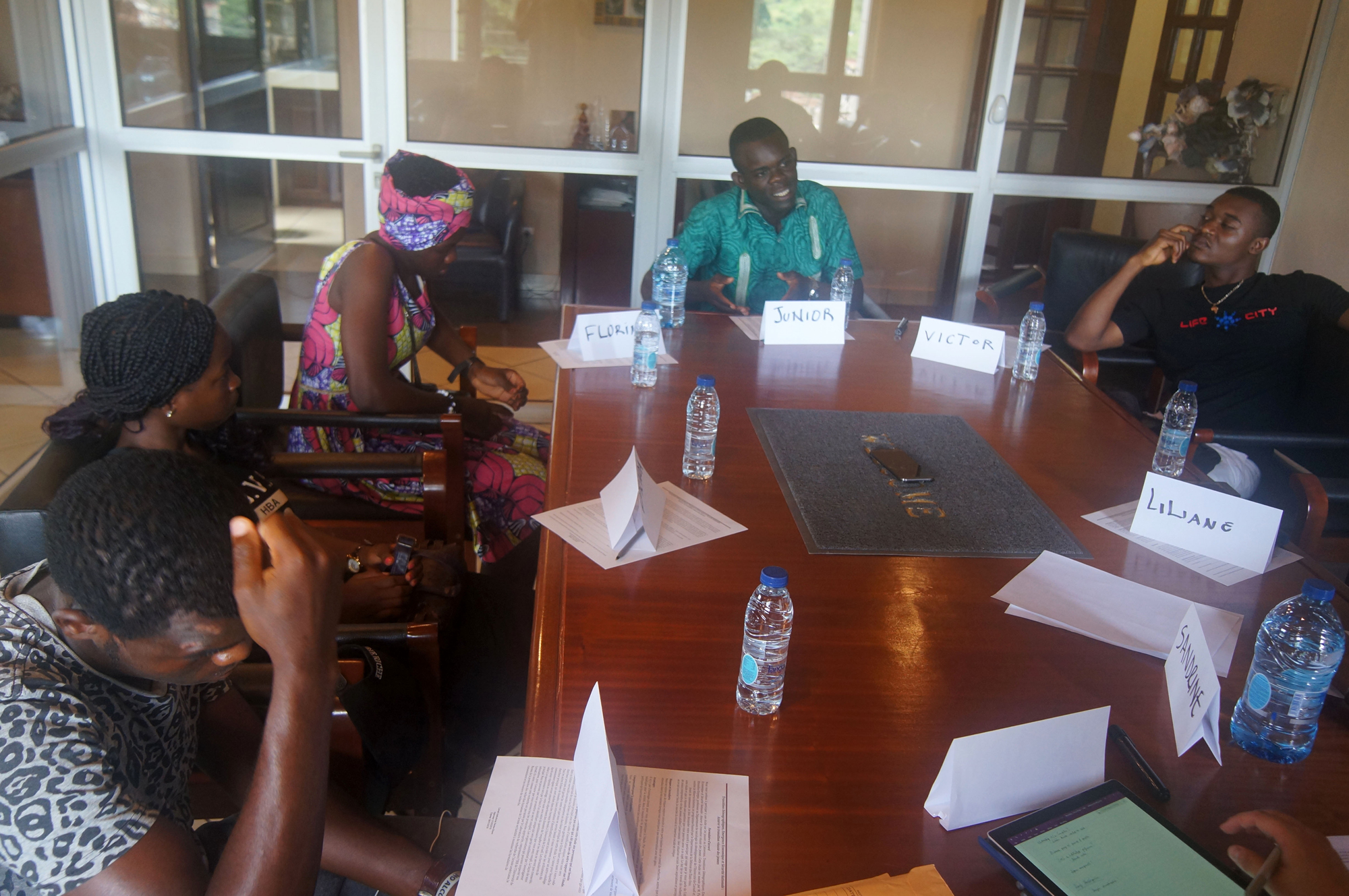
Programs follow a sequence: enter schools, build evidence, train young people, and support the transition to adult life.
School engagement is followed by a baseline cohort of roughly 5,000 young people drawn from 20 secondary schools in Yaoundé.
That sequence appears on the baseline survey page.
Life-skills learning, mentorship, personal development plans, safe spaces for expression, responsibility, and preparation for work, family life, and community contribution.
Program activities combine practical skills, confidence, planning, expression, and contact with institutions.
The internship archive lists guidance, timing, application materials, and partner information.
Program delivery involves schools, teachers, principals, and public partners.
Planning and self-direction appear in public materials as part of transition support.
Artistic expression, discussion, and peer interaction appear in the program pages.
The essay competition turned student reflection into public writing before the larger survey and training work expanded.
In 2017, PICHNET reviewed more than 800 essays across 12 security-related topics and published 12 winning texts with Mutations. The competition involved students, teachers, and principals before the wider survey and training effort took shape.
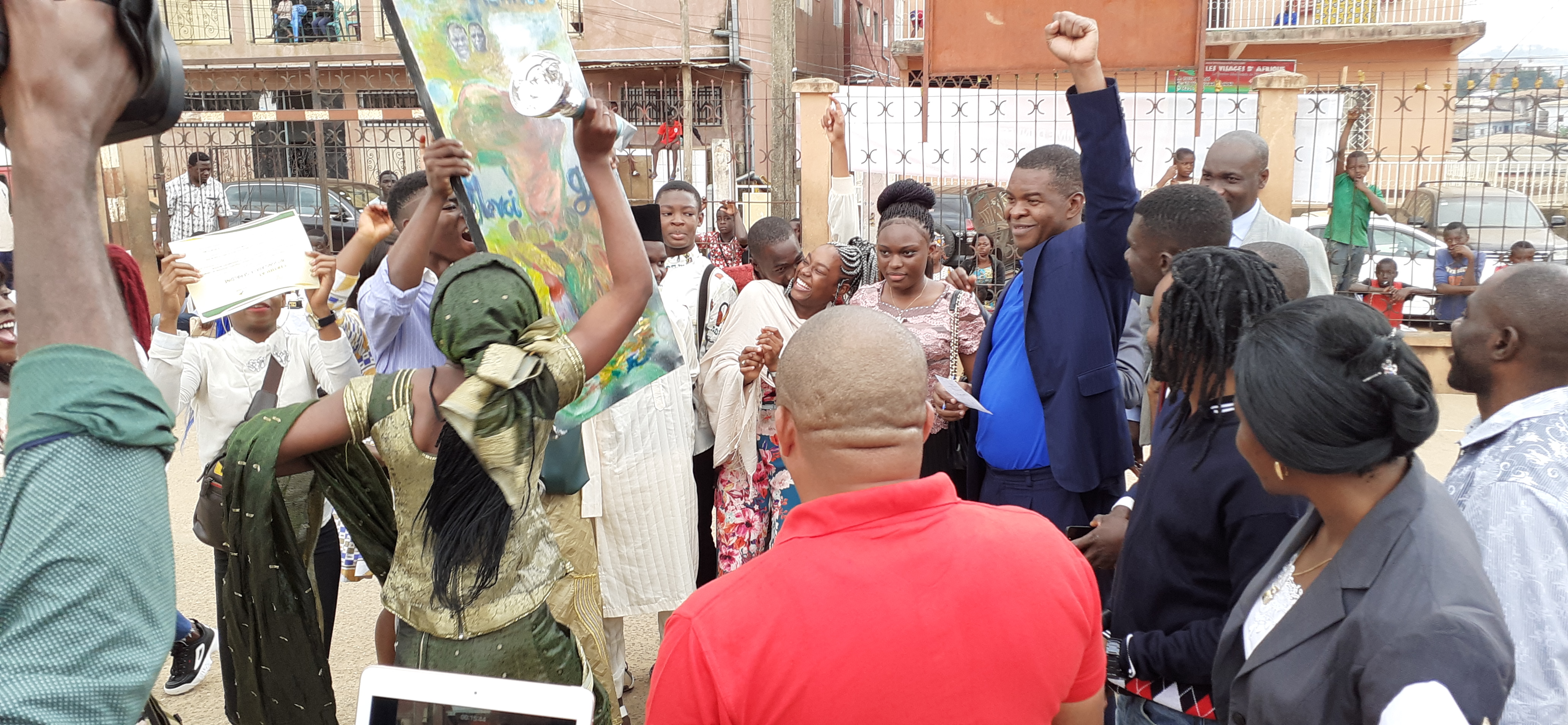
The publication run in Mutations and the 9 June 2017 award ceremony placed youth writing in public circulation.
The July 2019 cohort shows the program model at human scale: 300 students, practical sessions, and guided peer interaction.
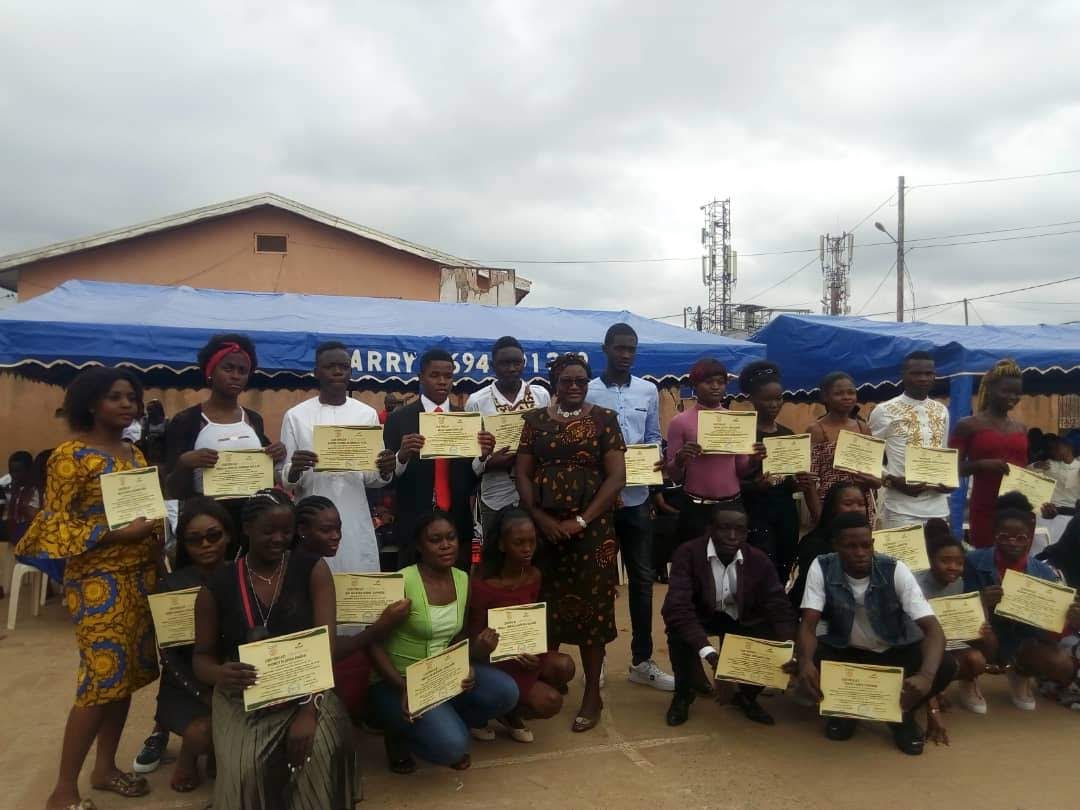
A dated program page states that 300 students were trained during the July 2019 holiday cohort in Yaoundé. Activities included computing, entrepreneurship, first aid, artistic expression, personal planning, and room for guided peer interaction.
The four capitals framework gives the program a broader definition of readiness than employment alone.
The four-capitals framework connects youth capacity to adult life, families, workplaces, caregiving, and community life.
One preserved paid internship notice from 2020 remains in the opportunities archive.