
Of the Labor Force Is 18-35
Reported in the World Bank youth jobs feature, April 2025.
PICHNET — Projet d'Investissement en Capital Humain — is a Yaoundé-based institution helping young Cameroonians move from school into adulthood through research, youth capacity development, and public communication.
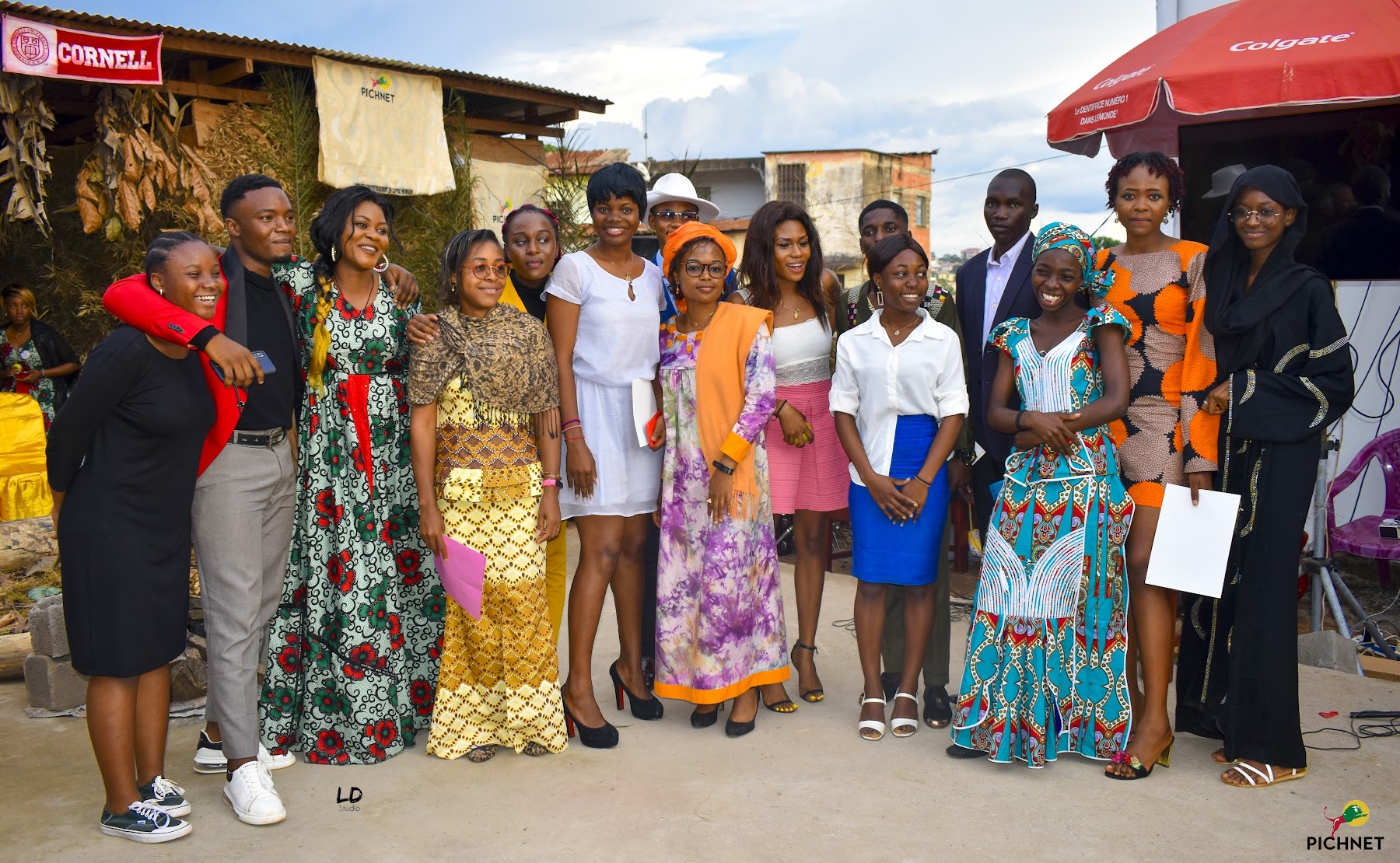
Founded in Cameroon in 2016 and based in Yaoundé, PICHNET gives youth-transition research and programming a local institutional home — connecting evidence, training, follow-up, and public communication.
Cameroon is a young country, but the demographic dividend is not automatic. The move from school into work and adult life is where long-term gains are either built or lost.
Reported in the World Bank youth jobs feature, April 2025.
Young people aged 15-24 not in employment, education, or training in 2024, according to the World Bank update.
Estimated in the INS EESI3 labor-market report.
Reported in the UNFPA Cameroon youth policy update, May 2025.
PICHNET identifies, tests, and communicates practical investments in young people’s human capital.
PICHNET focuses on a decisive moment in young people’s lives: the move into work, family responsibility, civic voice, community contribution, and personal direction.
Research, training, follow-up, and public communication keep youth development evidence-based, locally grounded, and useful over time.
A short introduction to the institution, the youth transition it studies, and the practical investments it tests with schools, cohorts, families, and public partners.
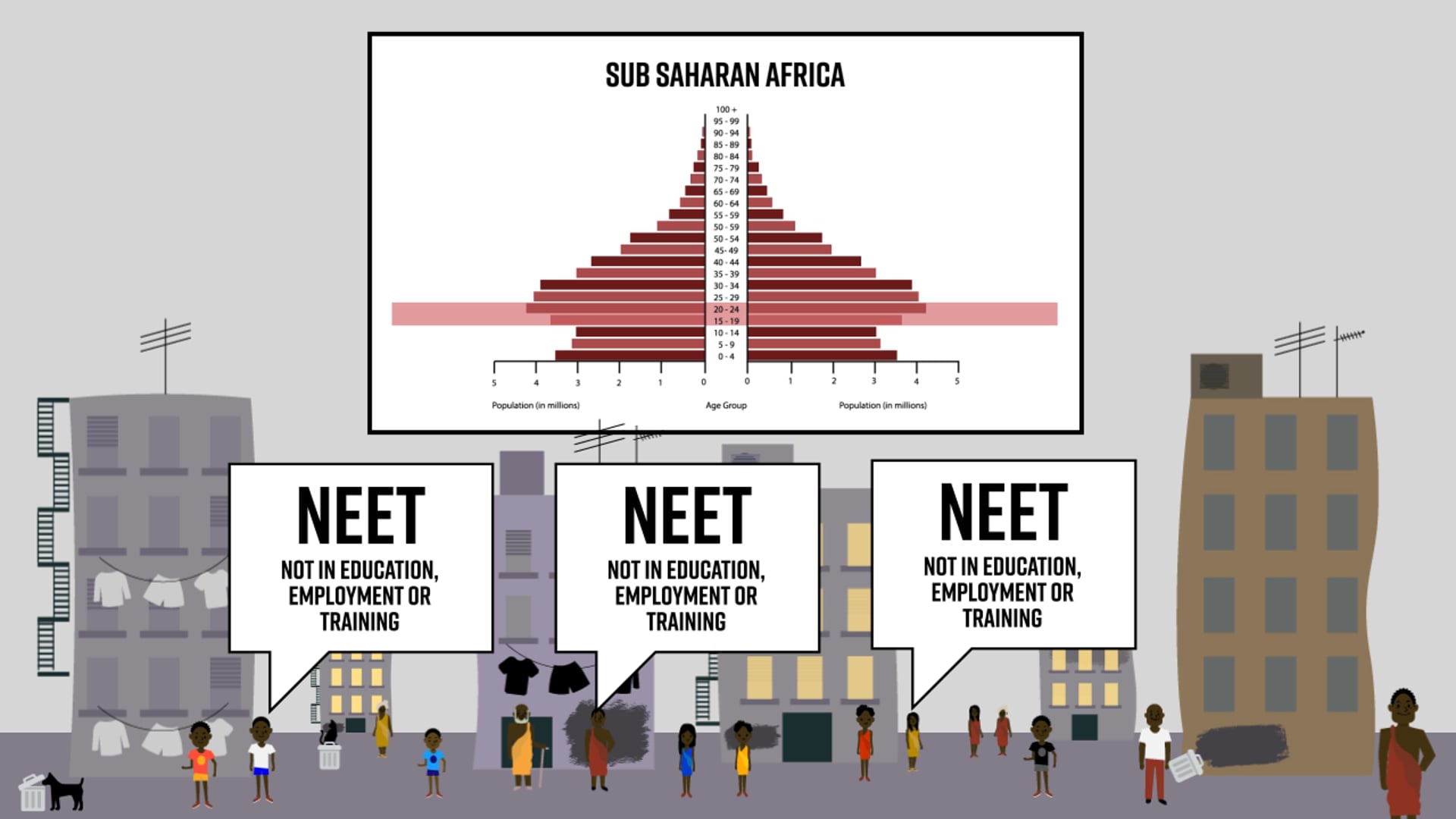 Explainer · 4 min
Why the move into adult responsibility matters in Cameroon.
How practical preparation shapes long-term opportunity.
Why evidence, learning, and public voice continue after training.
A large youth population does not automatically become a demographic dividend. It becomes one when young people have the skills, confidence, opportunities, and support to move into productive adult responsibilities.
PICHNET began with a practical development question: what would it take for young Cameroonians leaving school to move toward work, responsibility, family life, community contribution, and civic voice?
The answer had to be more than encouragement. It had to document real pathways, earn trust with schools and families, test practical training, and keep learning over time.
PICHNET studies what helps young Cameroonians navigate the move from school toward work and civic life.
With the right investments in human capital, Cameroon’s youth can drive inclusive and sustainable growth.
Work on demography, education, employment, and policy communication grounds the institution’s agenda.
PICHNET does not define readiness only as employment preparation.
Self-awareness, confidence, life planning, decision-making, and personal direction.
Household, family, caregiving, budgeting, first aid, and interpersonal responsibility.
Education, entrepreneurship, job-related skills, digital readiness, and pathways into work.
Civic responsibility, service, solidarity, and contribution to community life.
The institution joins academic vision with local field leadership in Yaoundé.
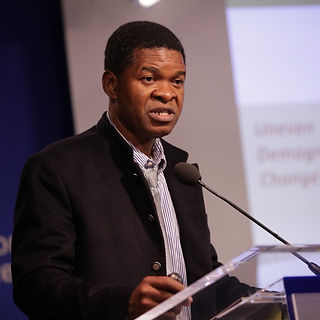
A Cameroonian scholar of population, inequality, education, youth employment, and sustainable development, Prof. Eloundou-Enyegue gives PICHNET its academic and technical vision.
His work connects population change, inequality, education, youth employment, field research, and policy communication across Africa, North America, and Asia.

Fouda Onguene anchors PICHNET’s field leadership in Yaoundé, where the institution depends on trust with schools, families, students, local partners, and public actors.
He connects PICHNET’s research, training, administration, public contact, and participant follow-up with the day-to-day realities of field work.
PICHNET’s work begins with trust because youth transitions cannot be understood from a distance or improved through one-time interventions.
Partnerships built with secondary schools in Yaoundé and beyond.
Baseline data from 20 secondary schools establishes a shared starting point.
Roughly 5,000 young adults followed in Yaoundé as their pathways diverge.
Youth trained through capacity-building and internship-exposure programs.
Hands-on learning with youth, educators, researchers, and community partners.
Journalists and public forums help carry research and youth perspectives outward.
PICHNET welcomes partners, researchers, media collaborators, institutions, and supporters who want to help young Cameroonians move from school into purposeful adulthood.