








Why partner
Local grounding and academic ties
Yaoundé office, Cornell ties, research activity, training, and public communication.
Partnerships give the work local grounding, academic reach, public visibility, and routes for young people to meet institutions.
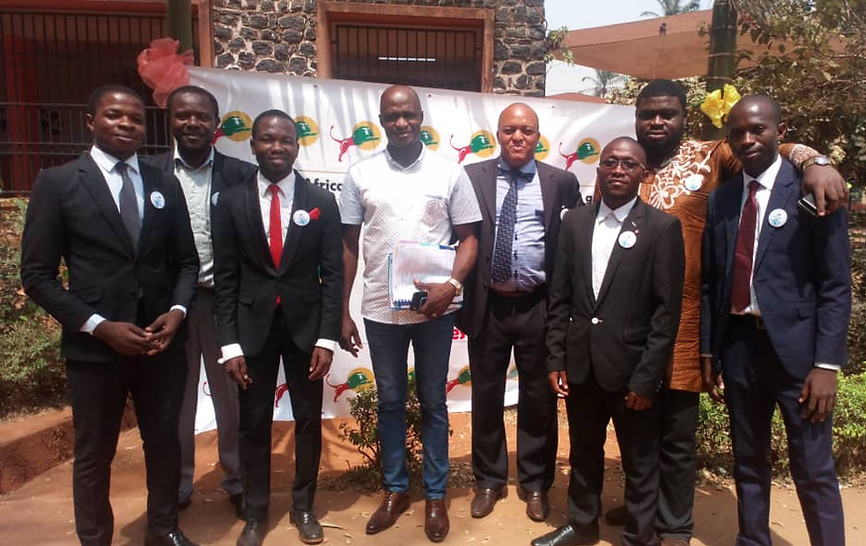
Selected institutions named across PICHNET's public research, program, and communication pages.
Yaoundé office, Cornell ties, research activity, training, and public communication.
Research hosting, training support, publication, workshops, media engagement, and institutional dialogue.
Youth-transition research, local coordination, training programs, and public communication materials.
Research hosting, training, publication, media work, and public dialogue.
Hosted the workshop on demographic dividend, emergence, and sustainable development on its Ngoa Ekele campus.
Collaborated on the Yaoundé workshop, especially the exchange between researchers and media practitioners.
Mutations served as both a publicity and publication partner for the essay competition, carrying the winning texts into a broader public arena.
Linked field research in Cameroon to wider work on education technology and youth transition.
Supported the broader research context around demographic change, youth transition, and human capital.
Linked to youth and civic-engagement références connected to the wider work.
Named as a government counterpart in the development-policy context around the work.
Named in the demographic-dividend event around public dialogue on youth transition.
Named alongside the African Union in the same demographic-dividend event.
PICHNET recognizes the sponsors whose contributions support our mission.